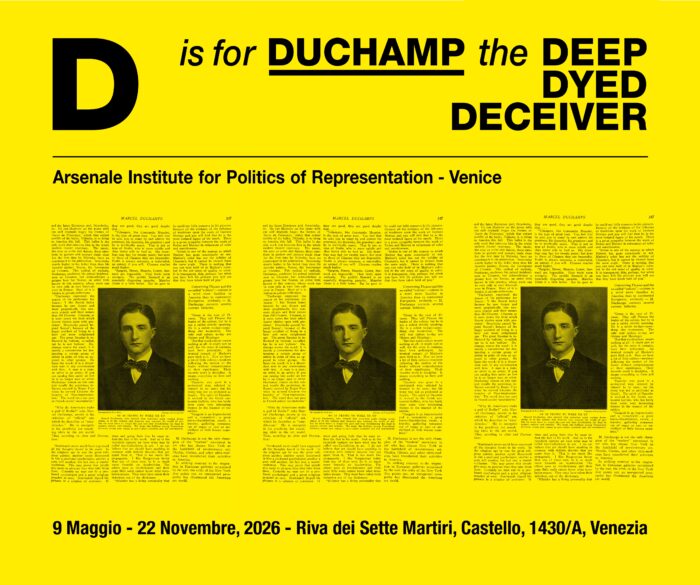

D is for DUCHAMP the DEEP DYED DECEIVER
The Re-Echo Club: Guest + Host = Ghost / Open call for contributions
The Re-Echo Club has no history. This is why it can be reconstructed. Its precedent is a literary fraud. Carolyn Wells’s The Re-Echo Club (1913) opens with the supposed discovery of the papers of a forgotten society, as an archive that begins to exist by pretending to have been found. We borrow this fiction as a method. To reconstruct the Club is to set up the conditions for something to return with the authority of what seems to have been there before.
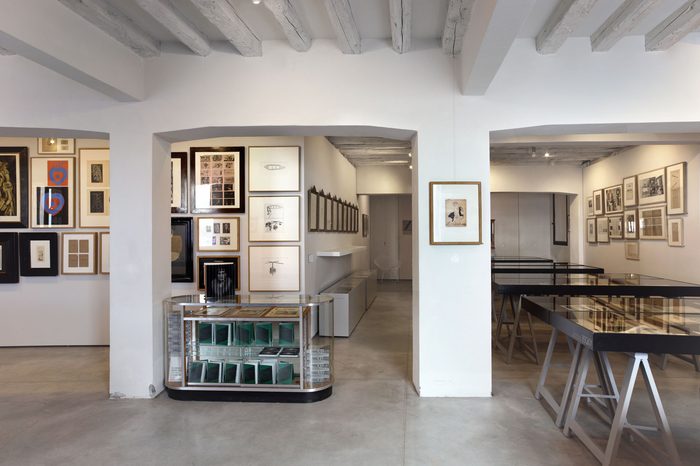
For D is for Duchamp the Deep Dyed Deceiver, the Re-Echo Club is reopened as a public program around reception, authorship, and the afterlife of artistic gestures. The exhibition approaches Duchamp through the accumulated matter of his reception, where reproductions, disputes, devotions, and misreadings become part of the work’s continuing action.
Archival work has always promised a strange form of intimacy with truth. Through fragments, traces, names, and competing versions, the distance between what remains and what has disappeared seems, for a moment, too narrow. Yet what appears is never truth itself, but its spectre: something summoned by the very procedures meant to recover it. The Re-Echo Club begins from this condition, accepting reconstruction as a form of projection, recovery as an act of staging, and every echo as already altered by the voice that repeats it.

GUEST + HOST = GHOST
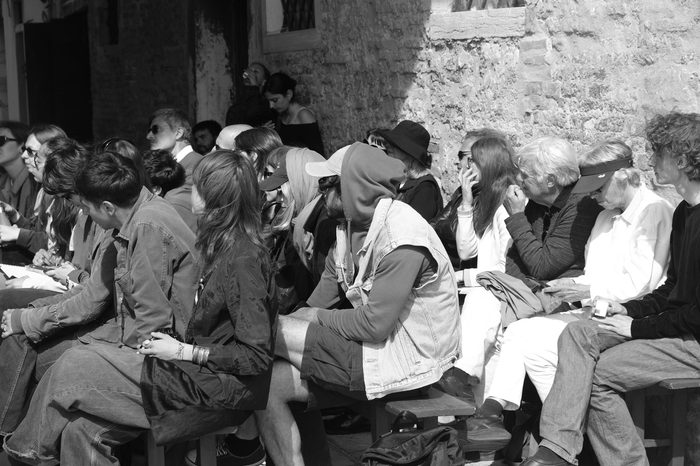
This is the sense in which we read the old pun: guest + host = ghost. The Club invites guests, but it also hosts them within a frame already charged by Duchamp’s reception. Each meeting brings together two perspectives around a selected theme: one departing from the field opened by the exhibition, the other from a broader contemporary condition. Their encounter does not aim to produce a definitive statement. It produces a ghost — the temporary apparition of a truth that belongs to neither speaker, neither host, neither guest, but to the echo formed between them.
The ghost is therefore not Duchamp as an object of devotion but what appears when reception receives itself again: a second echo, an unstable proximity to meaning, produced through projection, displacement, and response.
To enter the Re-Echo Club also means entering Duchamp’s maniera. This maniera is a way of operating through irony, decontextualization, false attribution, displacement, and the absorption of the spectator into the work’s own logic. Any attempt to describe the mechanism from outside risks extending it. The Club does not pretend to escape the trap and makes room for the fall.
We invite proposals that treat the selected themes as occasions for critical, speculative, or formal interventions. Contributions may take the shape of reconstructions, alternative histories, corrections, instructions, readings, maps, exercises in reception, or other devices capable of producing an echo rather than a commentary.
Selected contributors will be invited to take part in The Re-Echo Club at the Arsenale Institute for Politics of Representation in Venice, between September and November 2026. Applications are anonymous, and applicants will be contacted via the telephone number they provide. Abstracts must not exceed 3,000 characters and should be submitted through the Google Form, together with the required information by September 27th. No identifying details should appear in the abstract.
The themes of the Club are listed below.
1. Who owns the meaning? Wrong answers only
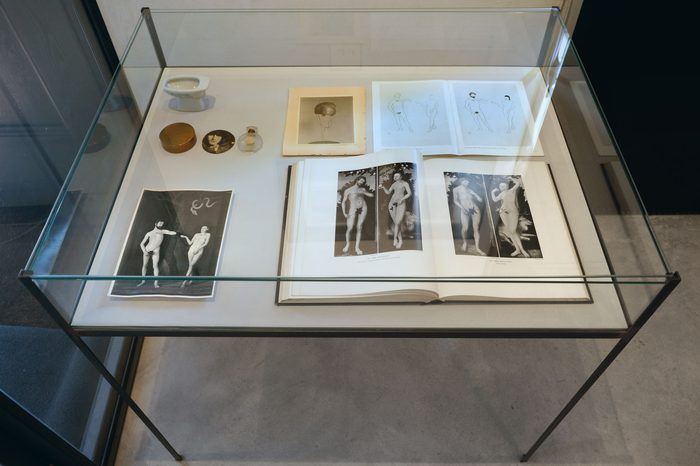
The history of Duchamp’s ready-mades is, to a large extent, a history of absent originals. Many of them were lost and came to be known through photographs and later reproductions. The reception of the ready-made therefore cannot be understood as the simple transmission of a stable work, but as a continuous redefinition of its meaning and status. What we recognise today as the ready-made is thus inseparable from the forms and interpretations through which it has circulated.
Taking this condition as a starting point, this theme shifts the question to the present. When the circulation of a work determines its constitution, what role does this circulation play? In Duchamp’s case, reception by artists, gallerists, and institutions was decisive. However, with the shift in today’s systems of selection, recombination and generation, these structures are becoming less transparent and identifiable.
2. It thinks for you – Advertising dissent
In 1921, Duchamp transformed the promotion of an exhibition by Alexander Archipenko into a fake advertisement for the Archie Pen Co., an imaginary pen accompanied by the slogan It thinks for you. The advertisement borrowed the language of commercial publicity while still, at the same time, performing a real promotional function.
Conceptual Art brought the relationship between the artwork and the means of its circulation to the foreground, making catalogues, exhibition texts, and criticism active components in the construction of the work’s meaning and legitimacy.
In attempting to move away from the traditional art object and its exhibition formats, these practices thus came to entrust an increasing part of their existence precisely to forms of mediation.
A similar paradox happens with institutional critique as practices developed to expose the material conditions and power relations structuring the art system have progressively entered the programs and vocabularies of the very institutions they once targeted.
The ambiguity already present in Archie Pen Co. reappears here in another form: making a dispositif visible does not necessarily mean escaping its operational value. Languages drawn from activism and from practices developed to challenge existing structures can be used by institutions to the point of contributing to the construction of their public legitimacy.
This theme raises the question of when adopting a critical language actually transforms institutional practices and power relations and when it neutralizes its conflictual force by becoming a sign of openness or self-awareness instead. What conditions allow critique to transform an institution rather than become part of the way that institution represents itself as critical?
Format
Public talk: A presentation or conversation as part of the Re-Echo Club public programme.
Written contribution: A contribution to a DOCS format on the NERO website (15,000 characters).
Eligibility
Applicants must be
Based in Italy
At the beginning of their practice
Offer
Accommodation
Travel costs
Timeline
Selected participants should be available for a short interview and will be notified shortly after. The events will take place between October and November.
The Re-Echo Club is a public program curated by Elena Di Battista e Zoë Wismeth. The selection process will be conducted by Elena Di Battista, Zoë Wismeth, Wolfgang Scheppe, and Nero Editions.
CONTACT
Zoë Wismeth: [email protected]
Elena Di Battista: [email protected]
WEBSITE: www.arsenale.com
ITA
Il Re-Echo Club non ha storia, ed è precisamente per questo che può essere ricostituito. Il suo precedente è una frode letteraria. The Re-Echo Club di Carolyn Wells (1913) si apre infatti con la presunta scoperta dei carteggi di una società dimenticata: un archivio che, fingendo di essere stato ritrovato, si concede retroattivamente il diritto di esistere. È questa finzione che assumiamo come metodo. Ricostruire il Club significa predisporre le condizioni perché qualcosa possa tornare con l’autorità ambigua di ciò che sembra essere già stato lì, prima ancora del gesto che lo riporta alla luce.
In occasione di D is for Duchamp the Deep Dyed Deceiver, il Re-Echo Club viene riaperto come programma di ricerca pubblico dedicato a ricezione, autorialità e vita postuma dei gesti artistici. La mostra si avvicina a Duchamp attraverso la materia accumulata della sua ricezione, dove riproduzioni, dispute, devozioni e fraintendimenti diventano parte dell’opera.
Ogni archivio ha da sempre promesso una strana intimità con la verità. Si maneggiano frammenti, si inseguono tracce, si restituiscono nomi, si confrontano versioni e, per un momento, sembra che la distanza si riduca. Eppure ciò che appare ha la consistenza dello spettro, una presenza evocata proprio dalle procedure che la vorrebbero riesumare. Il Re-Echo Club prende avvio da questa condizione, accettando la ricostruzione come una forma di proiezione, il recupero come un atto di messa in scena, e ogni eco come già alterata dalla voce che la ripete.
GUEST + HOST = GHOST
È in questo senso che leggiamo il gioco di parole: guest + host = ghost. Il Club invita degli ospiti e, nello stesso momento, li accoglie dentro una cornice già attraversata dalla ricezione di Duchamp. Ogni incontro mette in relazione due prospettive attorno a un tema: una prende avvio dal campo aperto dalla mostra, l’altra da una condizione contemporanea più ampia. Da questa relazione emerge l’apparizione temporanea di una verità che appartiene all’eco formata tra chi parla, chi ospita e chi viene ospitato. Questo fantasma non coincide con Duchamp come oggetto di devozione. È ciò che appare quando la ricezione riceve di nuovo se stessa, una seconda eco, una prossimità instabile al significato, prodotta attraverso proiezioni, spostamenti e risposte.
Entrare nel Re-Echo Club significa anche entrare nella maniera di Duchamp, intesa come modo di operare attraverso ironia, decontestualizzazione, falsa attribuzione, spostamento e assorbimento dello spettatore nella logica stessa dell’opera. Qualsiasi tentativo di descrivere il meccanismo dall’esterno rischia di enfatizzarlo. Il Club non pretende di sfuggire alla trappola e fa spazio alla caduta.
Invitiamo proposte capaci di trasformare i temi selezionati in occasioni di intervento critico, speculativo o formale. I contributi potranno assumere la forma di ricostruzioni, storie alternative, correzioni, istruzioni, letture, mappe, esercizi di ricezione o altri dispositivi pensati per produrre un’eco più che un commento.
Gli autori selezionati saranno invitati a prendere parte al Re-Echo Club presso l’Arsenale Institute for Politics of Representation di Venezia, tra settembre e novembre 2026.
Le candidature sono anonime. Gli abstract, di massimo 3.000 caratteri, dovranno essere inviati tramite Google Form insieme alle informazioni richieste entro il 27 settembre. Nessun dettaglio identificativo dovrà comparire nell’abstract.
I temi del Club sono elencati di seguito.
- Who owns the meaning? Wrong answers only
La storia dei ready-made di Duchamp è in larga parte una storia di originali assenti. Molti di questi andarono perduti e vennero conosciuti attraverso fotografie e riproduzioni successive. La ricezione del ready-made non può essere intesa come la semplice trasmissione di un’opera stabile, ma come una continua ridefinizione del suo significato e del suo statuto. Ciò che oggi riconosciamo come ready-made è quindi inseparabile dalle forme e dalle interpretazioni attraverso cui è circolato.
Questo tema prende avvio da tale condizione per spostare il problema sul presente. A partire da questa condizione, il tema sposta la domanda al presente. Se la circolazione di un’opera ne determina la costituzione, quale ruolo svolge questa circolazione? Nel caso di Duchamp fu decisiva la ricezione da parte di artisti, galleristi e istituzioni. Con lo spostamento verso gli attuali sistemi di selezione, ricombinazione e generazione, però, queste strutture diventano meno trasparenti e identificabili.
- It thinks for you – pubblicizzare il dissenso
Nel 1921 Duchamp trasformò la promozione di una mostra di Alexander Archipenko in una falsa pubblicità per la Archie Pen Co., una penna immaginaria accompagnata dallo slogan It thinks for you. La réclame prendeva in prestito il linguaggio della pubblicità commerciale continuando, allo stesso tempo, a svolgere una reale funzione promozionale.
L’Arte Concettuale portò in primo piano il rapporto tra l’opera e i mezzi della sua circolazione, facendo di cataloghi, testi di mostra e critica parti attive nella costruzione del significato e della legittimazione dell’opera. Nel tentativo di sottrarsi all’oggetto artistico tradizionale e ai suoi formati espositivi, queste pratiche finirono così per affidare una parte crescente della propria esistenza proprio alle forme della mediazione.
Un paradosso analogo riguarda la critica istituzionale, pratiche nate per interrogare le condizioni materiali e i rapporti di potere del sistema dell’arte sono state progressivamente trasformate in un repertorio riconoscibile e insegnabile, fino a entrare nei programmi e nei linguaggi delle stesse istituzioni che avevano preso di mira.
L’ambiguità già presente in Archie Pen Co. riemerge qui sotto un’altra forma: rendere visibile le problematicità di un dispositivo non significa necessariamente sottrarsi al suo valore operativo. Linguaggi provenienti dall’attivismo e da pratiche sviluppate per contestare le strutture esistenti possono essere adottati dalle istituzioni fino a contribuire alla costruzione della loro legittimità pubblica.
Questo tema interroga il momento in cui l’adozione di un linguaggio critico trasforma effettivamente le pratiche e i rapporti di potere istituzionali e quello in cui, invece, ne neutralizza la forza conflittuale diventando un segno di apertura o autoconsapevolezza. Quali condizioni permettono alla critica di trasformare un’istituzione, invece di diventare parte del modo in cui quell’istituzione rappresenta se stessa come critica?
Modalità
Public talk: Una presentazione o conversazione nell’ambito del programma pubblico di Re-Echo Club.
Pubblicazione: Una pubblicazione nella sezione DOCS sul sito di NERO Editions (15,000 caratteri).
Requisiti di partecipazione
I partecipanti dovranno essere
Residenti/domiciliati in Italia
All’inizio della loro pratica
Timeline
Gli autori selezionate dovranno essere disponibili per un breve colloquio e riceveranno una comunicazione poco dopo. Gli eventi si svolgeranno tra settembre e ottobre.
The Re-Echo Club è un programma di ricerca pubblico a cura di Elena Di Battista e Zoë Wismeth. Le candidature verranno valutate da Elena Di Battista, Zoë Wismeth, Wolfgang Scheppe e Nero Editions.
Ricompensa
Alloggio
Costi di viaggio
Timeline
Gli autori selezionate dovranno essere disponibili per un breve colloquio e riceveranno una comunicazione poco dopo. I primi tre eventi si svolgeranno tra settembre e ottobre.
The Re-Echo Club è un programma di ricerca pubblico a cura di Elena Di Battista e Zoë Wismeth. Le candidature verranno valutate da Elena Di Battista, Zoë Wismeth, Wolfgang Scheppe e Nero Editions.
CONTATTI
Zoë Wismeth: [email protected]
Elena Di Battista: [email protected]
WEBSITE: www.arsenale.com